The Importance of Archiving Family Histories: Lessons from Ethiopian Travels


Preserving Family Legacies
Traveling through Ethiopia reveals a rich tapestry of history, culture, and tradition that is deeply rooted in the family unit. This experience highlights the importance of archiving family histories. Families act as the keepers of stories, traditions, and values passed down through generations. These tales form the backbone of our identities, and preserving them ensures that future generations understand and appreciate their heritage.

In Ethiopia, oral storytelling is a cherished tradition, serving as a primary means of preserving family histories. Elders recount tales of ancestors, significant events, and cultural practices, ensuring that these stories remain alive. However, the reliability of oral histories can diminish over time, making it essential to supplement them with written and digital records.
Learning from Ethiopian Traditions
The Ethiopian approach to preserving history offers valuable lessons for families worldwide. By embracing a combination of oral, written, and digital methods, families can create a comprehensive archive of their histories. This approach not only safeguards stories from being forgotten but also makes them accessible to a wider audience.
Families can start by recording interviews with older family members, capturing their memories and insights. These recordings can be transcribed and supplemented with photographs, documents, and other memorabilia to create a rich, multidimensional archive.

The Role of Technology
Modern technology offers powerful tools for preserving family histories. Digital platforms allow for the storage and sharing of photos, videos, and documents, making them easily accessible to family members across the globe. Online genealogy platforms enable individuals to trace their lineage and connect with relatives worldwide, further enriching their family narrative.
Creating a family website or digital archive can serve as a centralized repository for these materials. This not only helps in safeguarding information but also encourages family members to contribute their stories, ensuring a collaborative effort in preserving their shared legacy.

Benefits of Archiving Family Histories
Archiving family histories offers numerous benefits. It fosters a sense of identity and belonging, allowing individuals to understand their roots and the journeys that shaped their family's path. This understanding can be empowering, providing a sense of continuity and purpose.
- Strengthening family bonds: Sharing stories and memories can bring family members closer, creating a deeper connection across generations.
- Educational value: Family histories serve as a resource for learning about cultural traditions, historical events, and personal values.
- Inspiration for future generations: Knowing the struggles and triumphs of ancestors can inspire resilience and ambition in descendants.
Steps to Begin Archiving
Starting the process of archiving family histories may seem daunting, but breaking it down into manageable steps can make it more achievable. Begin by gathering existing materials, such as photographs, documents, and artifacts. Next, conduct interviews with family members to capture their stories and perspectives.
Organize this information using a method that suits your family's needs, whether it's a physical scrapbook, a digital archive, or a combination of both. Encourage family members to contribute regularly, ensuring the archive remains dynamic and up-to-date.
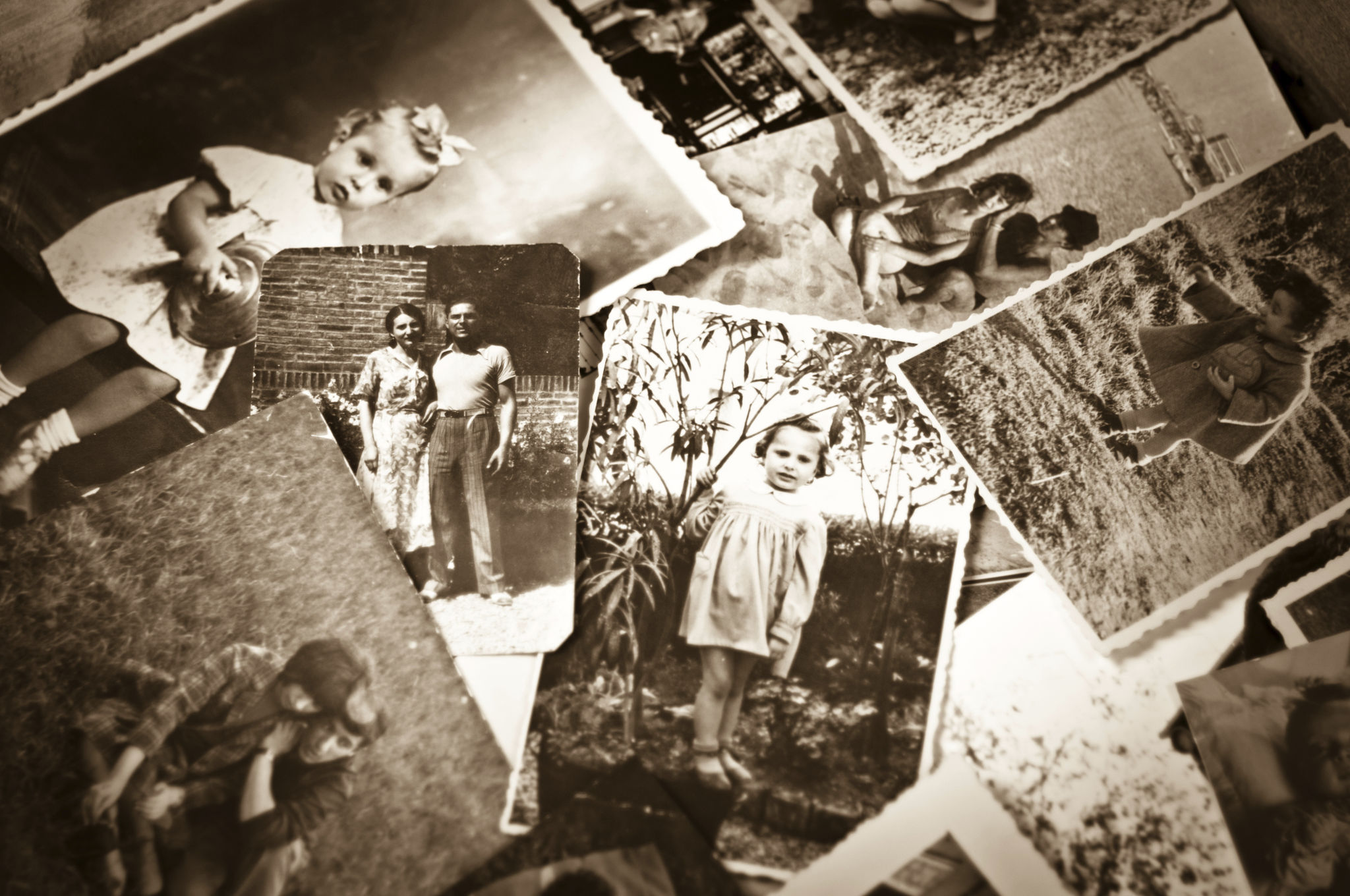
Ultimately, the practice of archiving family histories is a meaningful endeavor that honors the past while enriching the present and future. By learning from Ethiopian traditions and utilizing modern technology, families can preserve their unique stories for generations to come.